
Cats are expressive little creatures — just not always in ways humans immediately understand. While they may seem mysterious, their emotional states follow surprisingly clear patterns once you know what to look for. Whether your cat is feeling blissfully content, quietly anxious, or simply under-stimulated, learning to read their emotional cues can make life better for both of you.
In this guide, we’ll walk through the tell-tale signs of happiness, stress, and boredom, along with what you can do to support your feline friend’s wellbeing.
😺 Signs Your Cat Is Happy
A happy cat broadcasts joy in dozens of tiny, delightful ways. Here are the big ones:
1. The Slow Blink
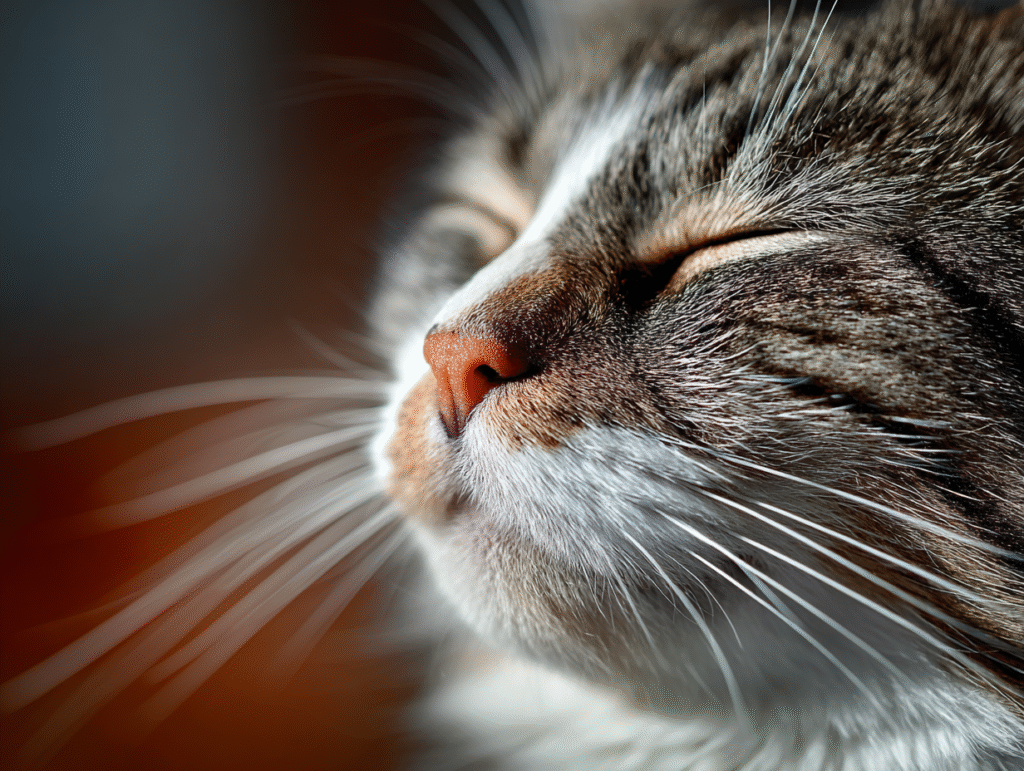
The legendary cat “I love you.”
Soft eyes, relaxed expression, a gentle blink — pure kitty affection.
2. Upright Tail With a Curl
Like a little question mark at the end.
This signals confidence, friendliness, and genuine pleasure at seeing you.
3. Relaxed Body Posture
Loafing, stretching out, rolling onto their back — these are cats at their most secure.
4. Gentle Purring
Soft, rhythmic, contented.
Look for relaxed muscles and half-closed eyes to confirm it’s a “happy purr.”
5. Kneading (“Making Biscuits”)
Total comfort behaviour.
If they knead you, you’re officially part of the inner circle.
😿 Signs Your Cat Is Feeling Stressed
Stress in cats can be subtle — they’re experts at hiding discomfort — but the signals are unmistakable once you know them.
1. Low, Tight Body Language
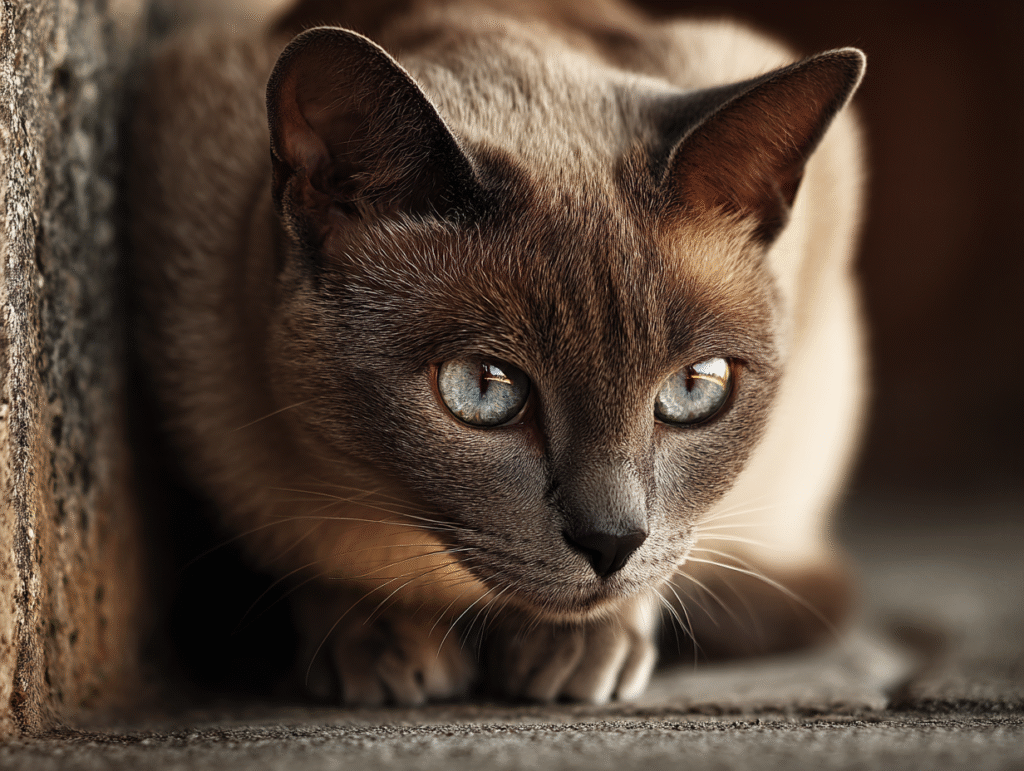
Crouched posture, tail tucked in, ears angled sideways.
This is early-stage anxiety.
2. Over-Grooming or Under-Grooming
Excessive licking → stress relief.
Neglecting grooming → emotional or physical discomfort.
3. Hiding More Than Usual
Short bursts of privacy are normal — full-on disappearing acts aren’t.
4. Sudden Aggression or Irritability
Growling, swatting, lashing tail.
Often triggered by changes in environment, routines, or smells.
5. Changes in Litter Box Behaviour
One of the clearest signs something’s wrong.
Cats rely heavily on scent for safety, and stress can disrupt their normal routines.
What You Can Do
- Keep routines predictable
- Create quiet safe spaces
- Use vertical perches or hideaways
- Introduce new things gradually
- Offer calm play sessions instead of overstimulation
Sometimes, small changes work wonders.
😼 Signs Your Cat Is Bored (Yes, That’s a Thing)
Bored cats are surprisingly easy to identify once you know the patterns. And no, “sleeping all day” isn’t always just laziness — sometimes it’s a lack of stimulation.
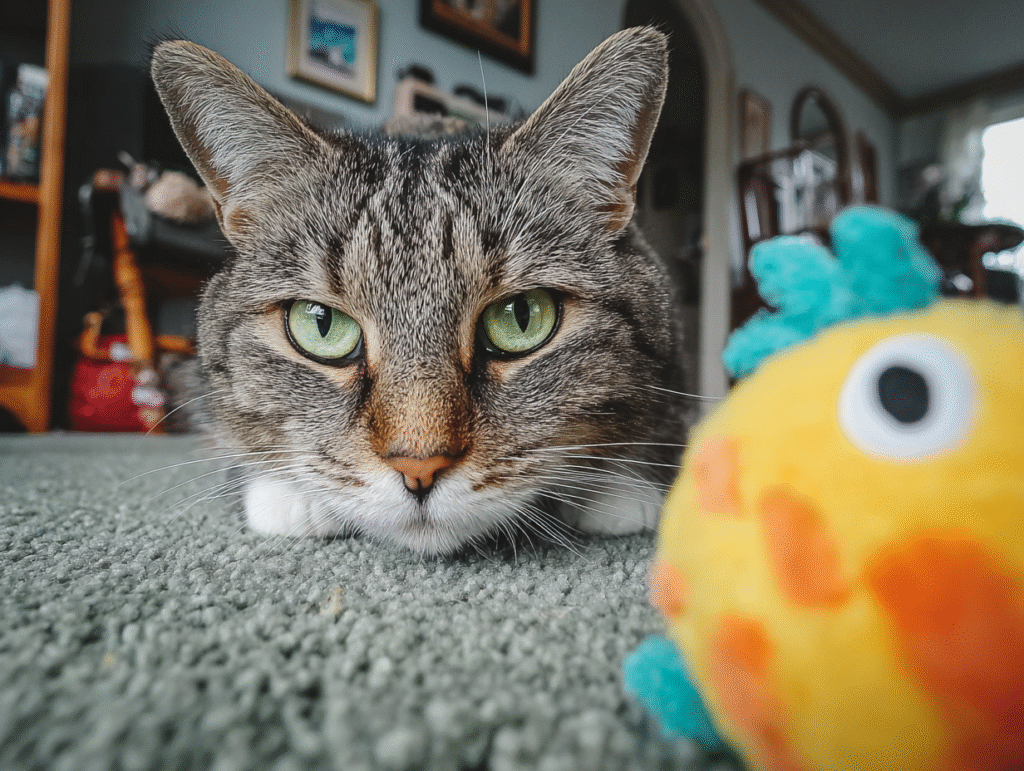
1. Night-Time Zoomies
Burning off pent-up energy because they didn’t get enough daytime activity.
2. Destructive Behaviour
Scratching furniture, knocking objects over, chewing cables.
(Not because they’re “naughty” — because they need an outlet.)
3. Excessive Vocalisation
Repeated meowing or chirping at you for attention or stimulation.
4. Hunting the Wrong Things
Feet, shoelaces, your jumper, your soul.
All signs your cat wants more interactive play.
5. Listlessness
Too much sleep, not enough curiosity.
Cats naturally nap a lot — but they should still have bursts of interest and exploration.
How to Help
- Rotate toys so they stay exciting
- Add window perches for bird-watching
- Provide puzzle feeders or treat mazes
- Short, frequent play sessions (2–3 minutes is enough)
- Add vertical climbing zones or shelves
A little enrichment goes a long way.
💛 Why Emotional Wellbeing Matters
Understanding your cat’s emotional state makes you a better, more confident cat parent — and helps your cat feel safer and more secure.
A balanced emotional life means:
- Fewer behavioural issues
- Better physical health
- Stronger bonds
- A calmer home
- Happier humans and happier felines
Cats may be subtle communicators, but once you speak their emotional language, something magical happens:
they start communicating directly with you.
And you?
You get to enjoy a deeper, more meaningful connection with your furry little roommate.
😺💛